Alopecia Areata: what is it?
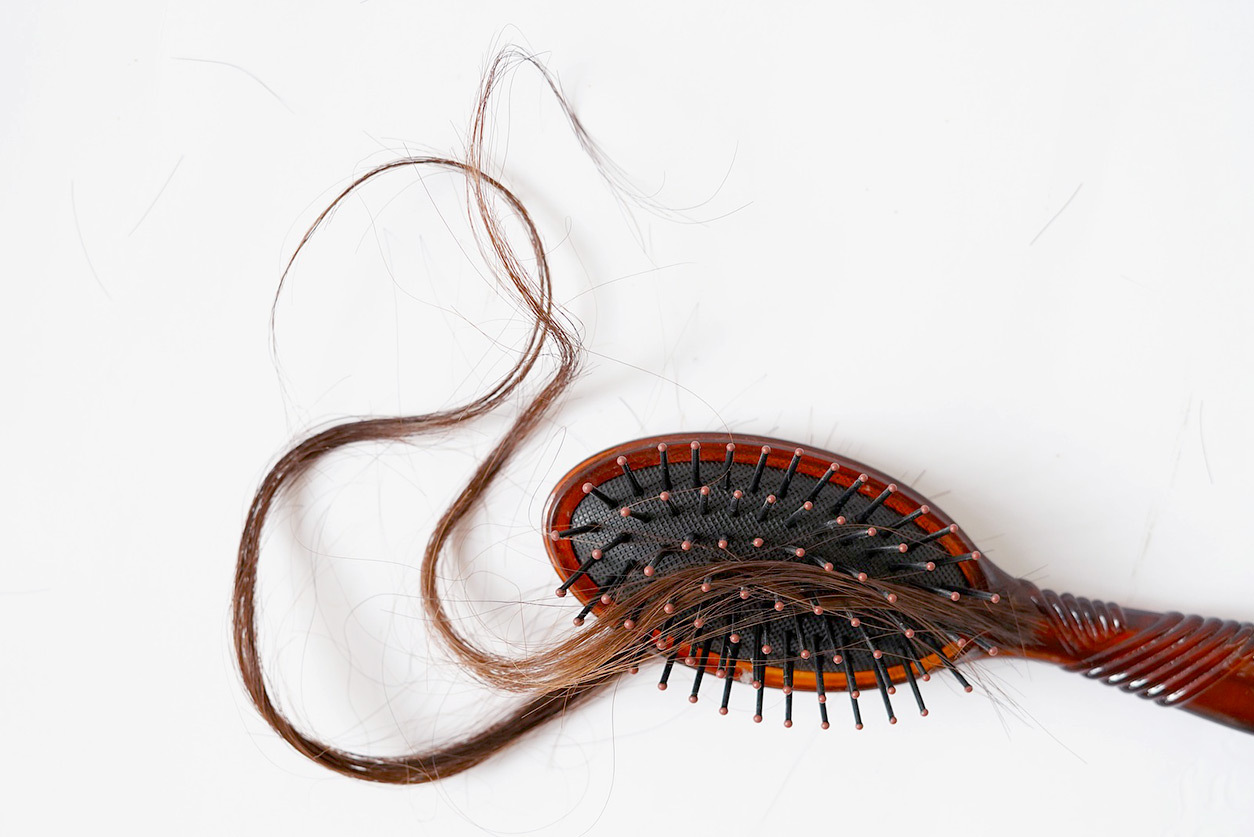
According to the National Alopecia Areata Foundation, around 6.8 million Americans, and approximately 147 million people worldwide, suffer from this autoimmune disorder. This means that the body attacks the hair follicles, resulting in more hair fall than usual. The onset is often sudden, with clumps of hair being shed and circular bald spots forming. And it’s not just your head that can be affected, but eyebrows, eyelashes, and other bodily hair as well.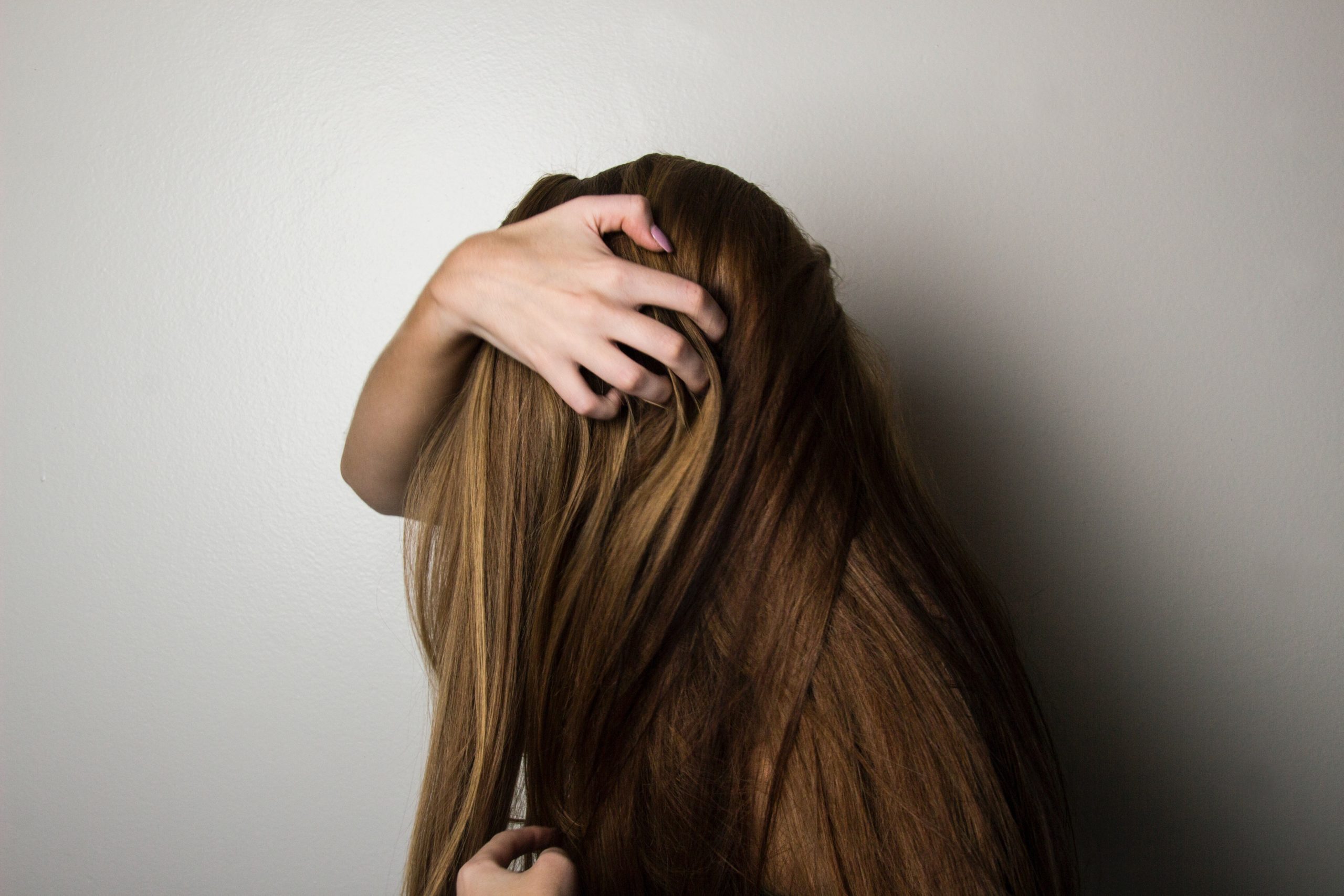
Photo by Bennie Lukas Bester from Pexels
How do you treat it?
While there is no cure for alopecia areata, it is a manageable condition. There are topical treatments and injections that can be provided and performed by a dermatologist. When it comes to daily management, it’s important to make sure that your mind and body are healthy in order to keep hair fall at a minimum. This means taking supplements with hair-boosting folic acid and biotin. It will also help to incorporate food that promotes hair and scalp health, so get munching on those healthy fats and protein! Eliminating (or at least minimizing) stress levels can also go a long way in preventing excess hair loss.Looking for an alopecia areata support group? Click here to find a community in your area.Happy International Alopecia Day! Great things about being bald: saving money on shampoo and conditioner, never having a bad hair day, towelling off after the shower and being totally dry immediately, easy skin checks, the list goes on! #alopecia pic.twitter.com/ZeGGiOgvSD
— Michelle Law (@ms_michellelaw) August 1, 2020